
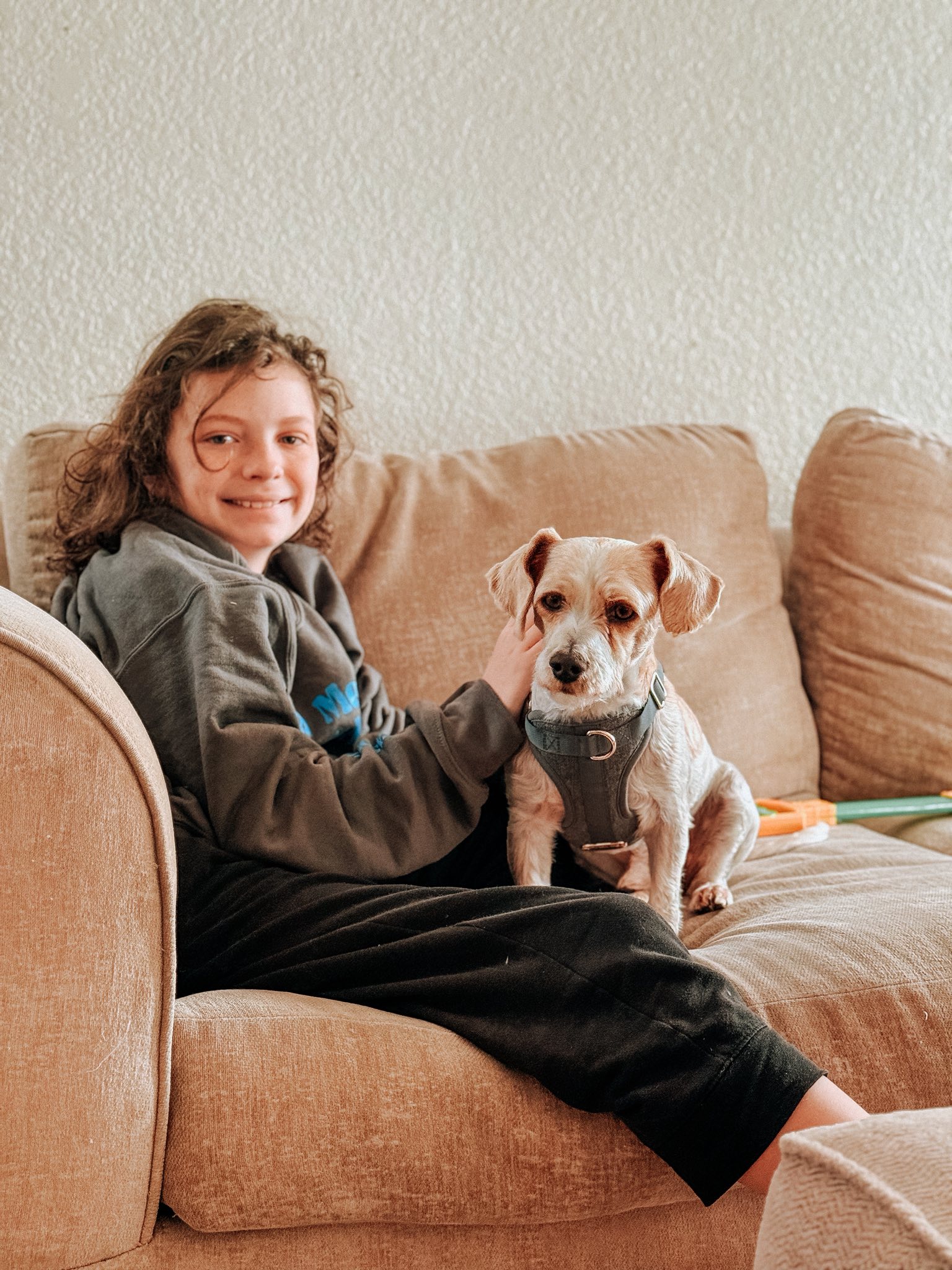
There’s a special kind of magic that happens when you hand a kid a pet chore that’s just right for their age. Too easy, and they’re bored. Too hard, and suddenly they’ve evaporated into thin air the moment you mention “litter box.” But the sweet spot? That’s where confidence blooms, empathy grows, and you get a tiny bit of your sanity back.
If you’ve ever wondered “What pet chores can kids realistically manage at different ages?”Welcome! Pull up a chair, grab your coffee (toss the dog’s gross slobbery bone off the couch), and let’s take this one milestone at a time.
Ages 2–3: The Teeny Tiny Helpers
They’re basically adorable little chaos gremlins, but don’t underestimate them. Toddlers love to “help,” and this is your chance to channel that enthusiasm into low-stakes pet care.
What they can do:
- Carry a handful of food to the bowl with you guiding (“guiding” meaning… both of your hands on the cup).
- Help brush a gentle, patient pet for a few seconds at a time.
- Assist with filling water using a small cup. Yes, it will spill. No, it won’t kill anyone.
- Pet-treat delivery (one treat, not the whole bag… ask me how I know).
Why it works:
This age is all about building positive associations with caring for animals. You’re not after accuracy – you’re after making them feel involved and helpful.

Ages 4–5: The Preschool Pros
Now the fun begins. Preschoolers are old enough to take on simple pet chores but still young enough to cause disaster, so be watchful!
Chores they can handle:
- Scoop dry food with a pre-measured cup (aka: no overflowing Mount Kibble catastrophes).
- Refill water bowls daily—with reminders.
- Help wipe down pet messes (non-biohazardous variety only).
- Gather leashes, brushes, or the never-ending parade of chewed-on slobbery toys.
Bonus:
Teach them to observe: “Does Daisy’s bowl look empty?” Kids this age love being the detective.
Ages 6–8: The “I Can Do It Myself” Crew
Elementary-age kids can manage more responsibility, and they often take pride in being officially in charge of something.
Appropriate pet chores:
- Feeding pets on a schedule (with a visual chart to avoid double breakfasts or missed meals).
- Brushing dogs and cats more thoroughly.
- Cleaning small animal cages with supervision.
- Helping with short dog walks. Your hand on the leash too, because squirrels exist.
- Portioning weekly pet snacks or food into containers (great motor practice).
This is where routines click.
Kids genuinely start connecting cause and effect: “If I don’t feed Alyx the cat at exactly the time she expects it, she will shriek at me like the voluptuous diva she is.”
Ages 9–11: The Preteen Powerhouse Years
They’re not quite teenagers, but they’re old enough to contribute in ways that feel significant. This is prime training ground for pet responsibility.
Chores they’re usually ready for:
- Fully feeding pets (including wet food without gagging).
- Cleaning litter boxes (hallelujah).
- Managing daily dog walks – smaller dogs or mellow seniors are ideal.
- Bathing pets that tolerate baths.
- Cleaning cages or tanks with light-to-moderate supervision.
- Tracking pet chores on their own (you’re still gonna have to remind them – they’re pre-teens after all).
Life skills sneakily taught:
Time management, empathy, awareness… and the knowledge that a wet dog will always shake before the towel is ready.
Ages 12–14: The Budding Adults (Depending on the Day)
This age can feel like raising a future CEO and a sleepy potato at the same time. Still, they’re capable of major pet responsibilities. Especially with pets they feel bonded to.
Pet chores that fit:
- Solo dog walks (bigger dogs too, if well-trained).
- Litter box duty without reminders.
- Bathing, brushing, nail checks, ear wipes – the works.
- Helping schedule vet appointments or tracking meds (with your followup).
- Cleaning cages, tanks, bedding, or dog runs without you hovering.
Pro tip:
Frame these as “real-life skills” because preteens loooove anything that hints at independence.

Ages 15+: The Official Co-Pet-Parent Era
Teens may act allergic to chores, but give them meaningful autonomy and they often show up in surprising ways.
High-level tasks they can manage:
- Walking high-energy dogs and maintaining training cues.
- Overseeing daily feeding routines entirely.
- Driving to the groomer or vet (once licensed, obviously).
- Managing pets when you’re away for an evening or a day.
- Deep-cleaning enclosures, aquariums, terrariums – the stuff we are excited they can finally do for their pets on their own!
Real talk:
It’s ok to hand off the bigger chores now – they are ready! Even if you feel hesitant. It’s time!
A Few Age-Proof “Chores” Every Kid Can Try
- Training simple tricks together
- Helping choose toys or treats
- Reading aloud to pets (magical for anxious animals and shy readers)
- Extra cuddle duty (critical contribution)
Final Thought (Said While Scooting a Cat Off the Keyboard)
Kids thrive when given real responsibility, and pets thrive when cared for consistently. Matching the right pet chores to your child’s age isn’t just practical, it’s a slow, lovely way of raising compassionate humans.
And if that compassion sometimes comes wrapped in spilled water bowls, snack-time chaos, or a hamster cage cleaned just a tad creatively… well, that’s childhood. And pet parenthood. And honestly? That’s the sweet spot where the best memories live.
